Heat Treating
In-house heat treating, carburizing, annealing, and tempering — engineered into precision-machined components without ever leaving TCS's Rock Valley facility.
Engineering hardness, durability, and performance into a part.
Heat treating is a family of controlled heating-and-cooling processes used to change a metal's internal structure — adjusting hardness, strength, wear resistance, and toughness without changing the part's shape. Where a component's application calls for a harder wear surface, a tougher core, or relief from the internal stresses introduced by prior machining, heat treating is the standard industrial method for getting there.
Heat Treating is one of the more than 32 manufacturing processes TCS runs fully integrated in-house, alongside Carburizing, Annealing, and Tempering — so a part can move from machining into heat treating and back into finishing operations without being shipped to an outside supplier.
Carburizing, annealing, and tempering — under one roof.
Carburizing
A case-hardening process that diffuses carbon into a part's surface layer, producing a hard, wear-resistant outer case over a tougher, more ductile core — well suited to gears and shafts that need a durable wear surface without becoming brittle throughout.
Annealing
A controlled heating-and-cooling cycle that relieves internal stress and softens a material, making it easier to machine, form, or otherwise process in subsequent operations.
Tempering
A secondary heat-treat step, typically following hardening, that reduces brittleness and dials in the balance of hardness and toughness a finished component needs.
Material selection is driven by the application.
Heat-treat response varies by alloy, so material selection is driven by each application's engineering requirements — TCS's engineering team helps source, test, and qualify materials for your specific application.
Where heat-treated components go to work.
Shafts, gears, and other load-bearing components frequently need the wear resistance and durability heat treating provides — particularly in industries running heavy duty cycles.
Agriculture
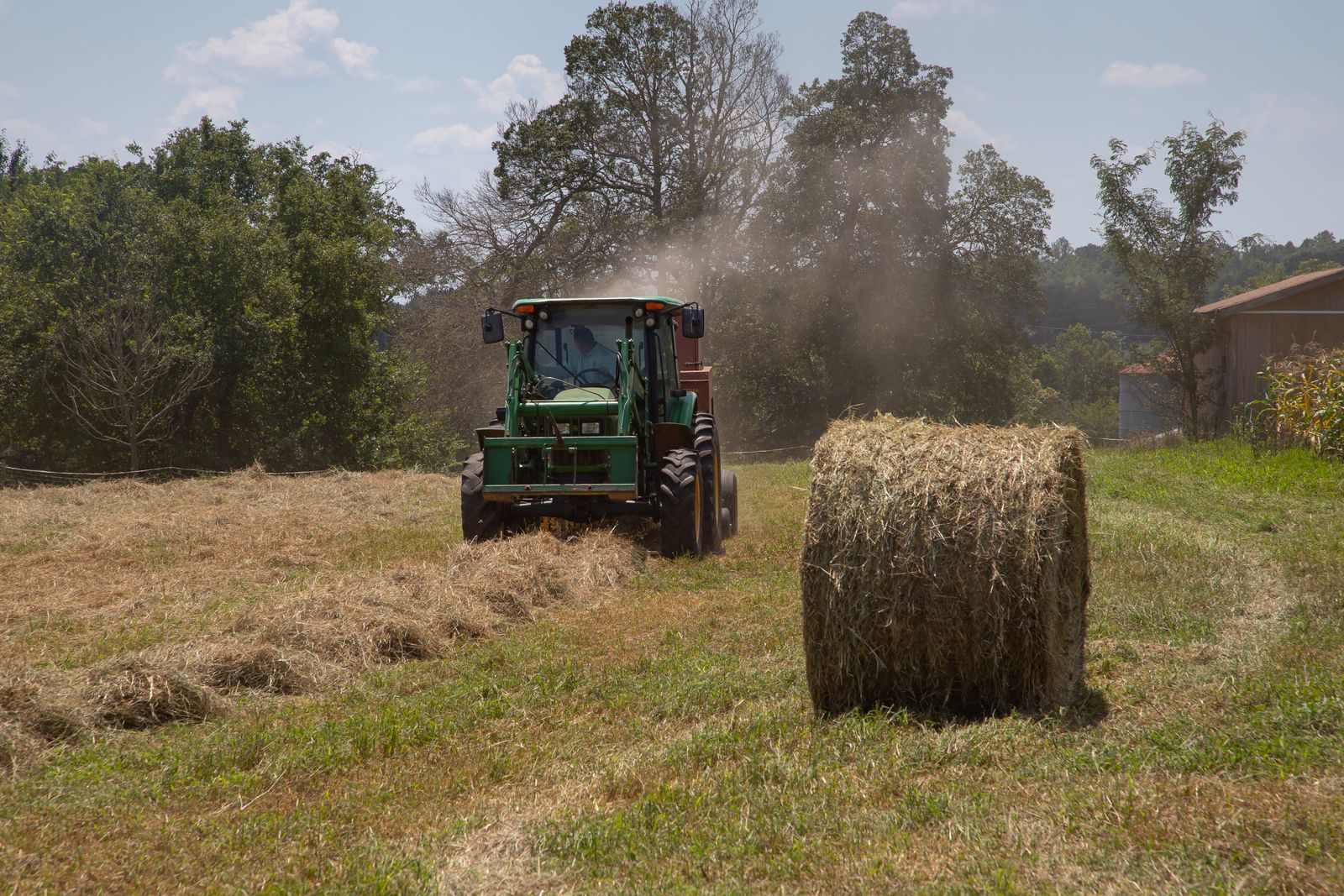
Tractors, combines, and forage & tillage equipment rely on durable, wear-resistant shafts and gears built for demanding duty cycles.

Transportation
Transmission components, starter shafts, alternator shafts, and suspension components benefit from heat-treated wear surfaces and fatigue resistance.
Heat treating as part of the value-engineered solution.
TCS's dedicated internal engineering staff evaluates where heat treating belongs in a part's overall manufacturing sequence — balancing material selection, hardness requirements, and the machining and finishing operations that come before and after it.
That evaluation is part of the same value-engineering approach TCS applies across every job: delivering value-engineered solutions to market rapidly, cost-effectively, and with outstanding quality.
Explore Engineering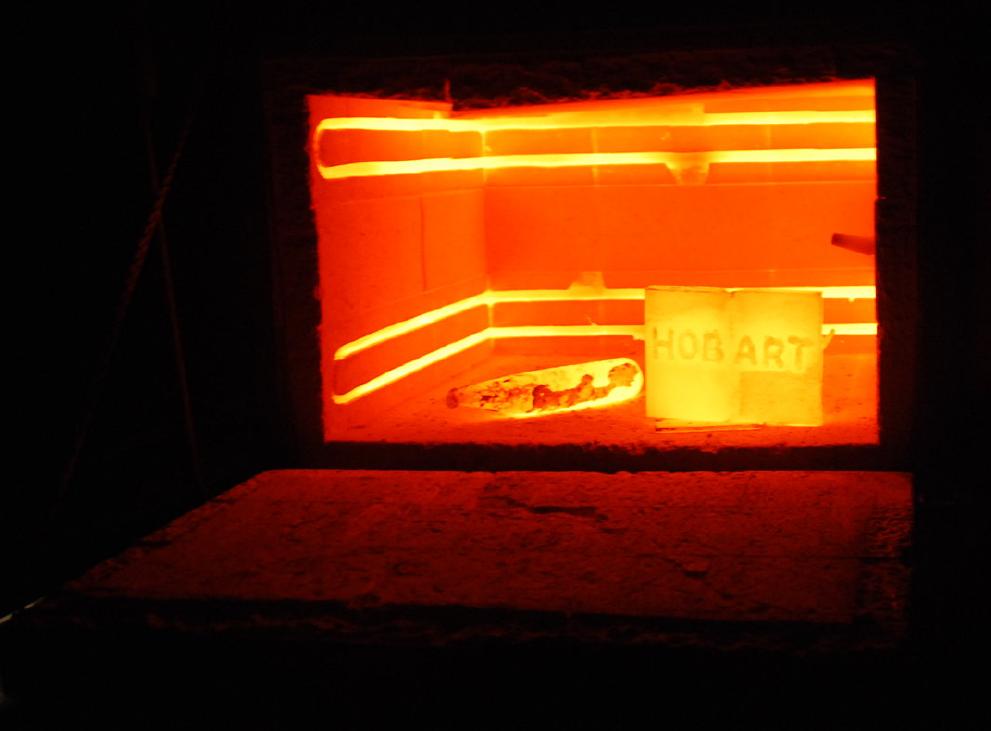 Heat-treat process flow
Photo: Ichudov / Wikimedia Commons (CC BY-SA 3.0)
Metallurgically verified results.
TCS's in-house quality systems include a metallurgy lab and micro-hardness testing, used to verify that a heat-treated part's case depth, hardness, and metallurgical structure meet the requirements of the application — without sending samples out to a third-party lab.