Friction Welding
A solid-state joining process, run in-house at TCS, for combining dissimilar materials and building complex components from simpler machined sub-components.
A solid-state alternative to conventional welding.
Friction welding is a solid-state joining process: two components are pressed together and rotated or moved relative to one another, and the friction-generated heat forges a bond without melting the base material or adding filler metal. Because there's no molten weld pool, it's a standard industrial method for joining dissimilar materials that don't fuse well by conventional welding, and for building a complex, multi-piece component from two or more simpler machined sub-components rather than machining it from a single solid blank.
Friction Welding is one of the more than 32 manufacturing processes TCS runs fully integrated in-house at its Rock Valley facility.
Joining built into the manufacturing sequence.
Because friction welding is performed in-house alongside machining, grinding, and heat treating, a joined component can move directly into the next required operation — turning, drilling, finishing, or inspection — without leaving TCS's facility between steps.
Material selection is driven by the application.
Which materials can be friction welded together, and how, depends on the specific application — material selection is driven by each application's engineering requirements — TCS's engineering team helps source, test, and qualify materials for your specific application.
Where friction welding fits.
Shaft- and assembly-heavy components across TCS's core industries are reasonable candidates for friction welding as an alternative to machining a complex part from a single solid blank.

Transportation
Transmission components, starter shafts, alternator shafts, and other assemblies common to truck, passenger car, and bus manufacturers.
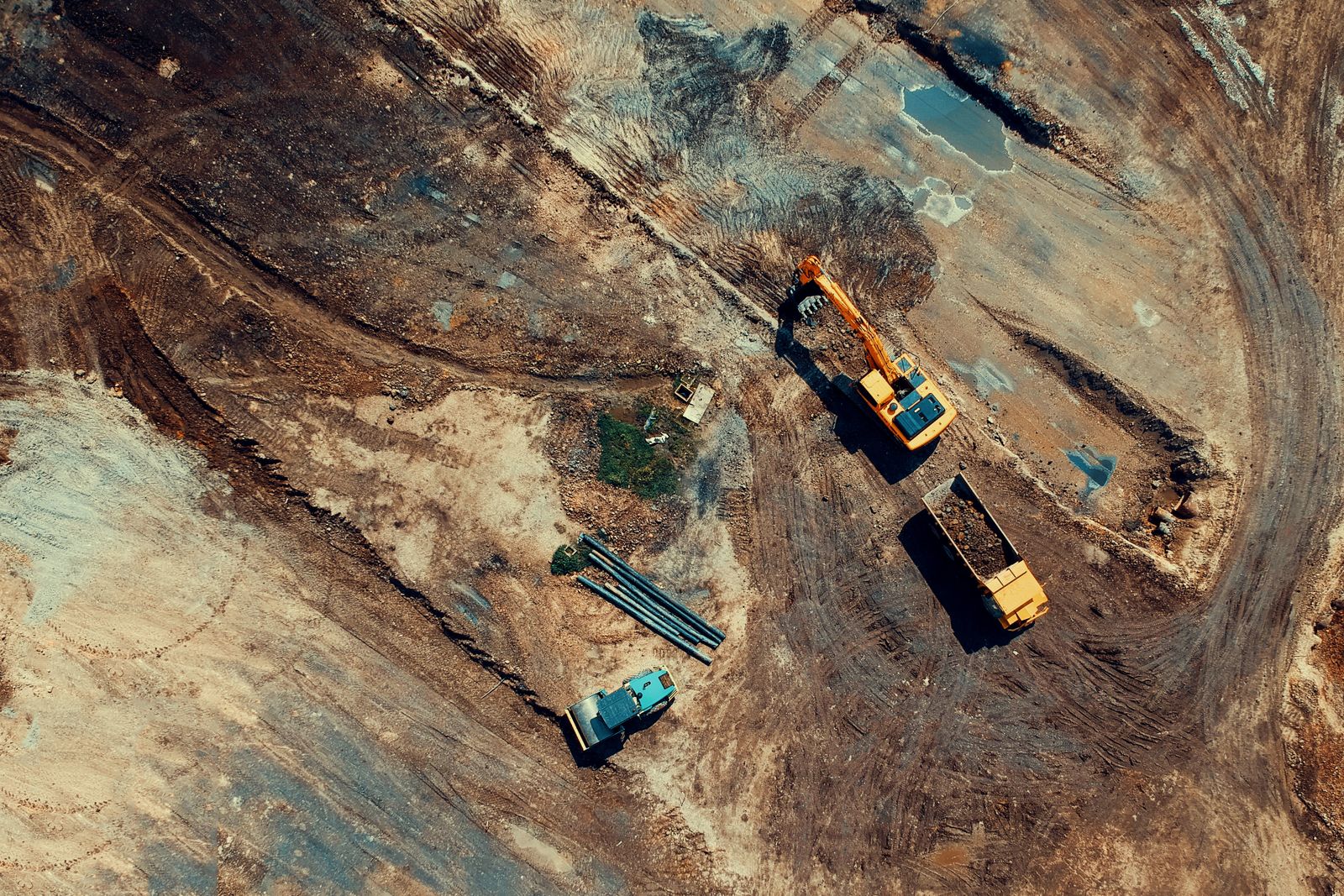
Industrial & Construction
Hydraulic pumps, electric motors, and transmissions often combine multiple machined sub-components into one finished assembly.
Friction welding vs. machining from solid.
TCS's dedicated internal engineering staff evaluates whether a given component is a better candidate for friction welding two or more simpler sub-components together, or for machining it from a single solid blank — weighing material usage, machining complexity, and overall cost.
That evaluation is part of the same value-engineering approach TCS applies across every job: delivering value-engineered solutions to market rapidly, cost-effectively, and with outstanding quality.
Explore Engineering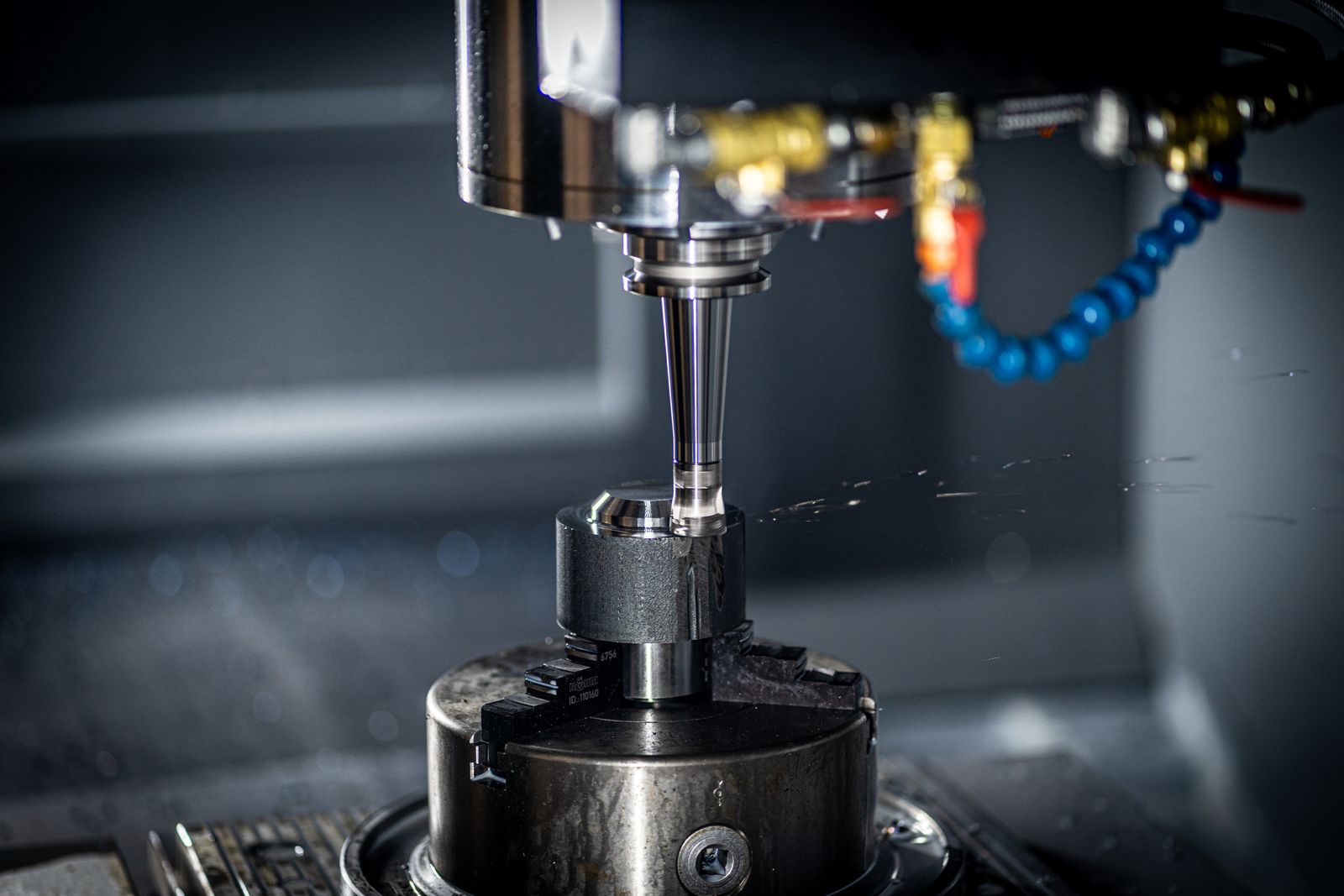 Friction-welded joint interface
Verifying the joint, not just the part.
TCS's in-house quality systems include Vision and CMM measurement systems and a metallurgy lab — used to confirm that a friction-welded component holds its dimensional requirements and that the weld-zone material meets the application's engineering requirements.